
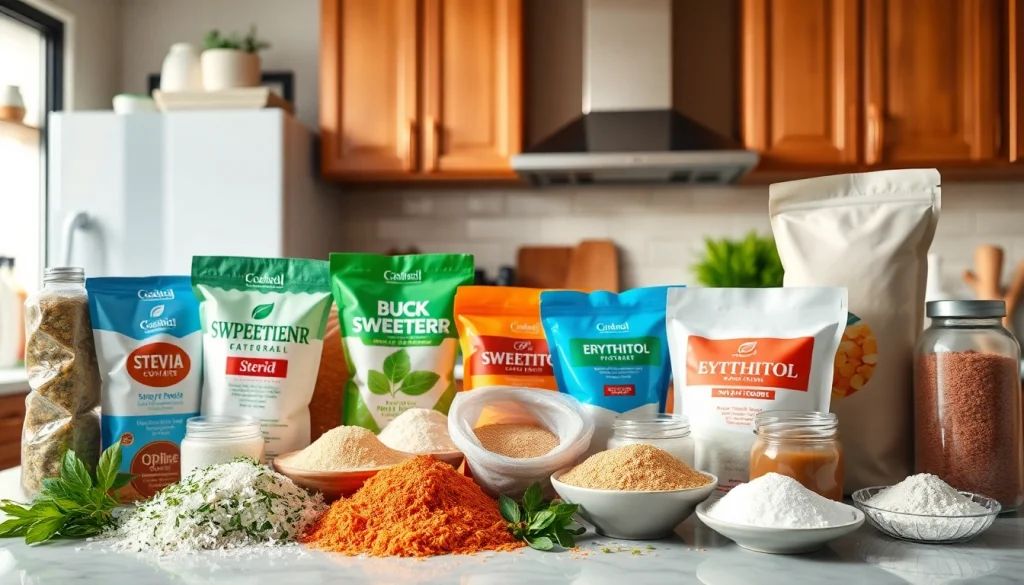
What is Bulk Sweetener?
Definition and Characteristics
A bulk sweetener is a sweetening agent that provides sweetness while also contributing to the volume and texture of food products. Unlike high-intensity sweeteners, which are much sweeter than sugar and used in smaller quantities, bulk sweeteners mimic the properties of sugar more closely, offering bulk and consistency. These sweeteners often have a similar calorie content to sugar, but many are designed to have lower caloric values, making them favorable for weight management and reduced-calorie diets.
Common Types of Bulk Sweetener
Several types of bulk sweeteners are available on the market, each with unique attributes, benefits, and applications. Here are a few of the most commonly used:
- Erythritol: A sugar alcohol that provides about 0.24 calories per gram, erythritol has approximately 70% of the sweetness of sugar. It is known for its cooling effect and is often used in low-calorie and keto-friendly products.
- Maltitol: This sugar alcohol offers about 90% of the sweetness of sugar and is commonly found in sugar-free candies and desserts. However, it can cause digestive issues in some individuals when consumed in large amounts.
- Isomalt: Another sugar alcohol, isomalt contains half the calories of sugar and is frequently used in hard candies and baked goods. It doesn’t cause significant spikes in blood sugar levels, making it suitable for diabetics.
- Inulin: A naturally occurring prebiotic fiber, inulin is used as a sweetener and a functional ingredient in products aimed at gut health. It offers a slightly sweet flavor and can help improve the texture of foods.
Health Benefits of Bulk Sweetener
The consumption of bulk sweeteners can offer various health benefits, primarily relating to lower calorie intake, weight loss, and managing blood sugar levels:
- Weight Management: Many bulk sweeteners have fewer calories than traditional sugars, allowing for a sweet taste without the caloric load, aiding in weight management efforts.
- Blood Sugar Control: Some alternatives, particularly sugar alcohols like erythritol and isomalt, have a minimal impact on blood glucose levels. This characteristic makes them suitable for individuals with diabetes.
- Dental Health: Bulk sweeteners, such as xylitol and erythritol, do not contribute to tooth decay and can actually inhibit the growth of harmful bacteria in the mouth, promoting better dental health.
Differences Between Bulk and Intense Sweeteners
Volume and Texture in Foods
One of the key differences between bulk sweeteners and intense sweeteners lies in their ability to contribute to food texture and volume. Bulk sweeteners provide the familiar mouthfeel and viscosity associated with sugar, making them ideal for baked goods, sauces, and desserts. In contrast, intense sweeteners, like aspartame and sucralose, are used in much smaller amounts and often require additional ingredients to achieve a similar texture.
Sweetness Levels Comparison
Sweetness levels vary significantly between bulk sweeteners and intense sweeteners. While bulk sweeteners tend to have sweetness levels closer to that of sugar, intense sweeteners can be hundreds to thousands of times sweeter than sugar. This disparity means that a small amount of an intense sweetener achieves the intended sweetness without adding bulk, while bulk sweeteners require larger quantities to match sweetness levels, directly affecting their use in recipes.
Caloric Impact on Diets
From a caloric standpoint, bulk sweeteners typically contain fewer calories than traditional sugar but are not completely calorie-free. For example, erythritol has about 0.24 calories per gram compared to sugar’s 4 calories per gram. On the other hand, intense sweeteners often contain no calories, which can make them appealing for those on strict low-calorie diets.
Common Uses of Bulk Sweetener in Cooking
In Baking and Desserts
Bulk sweeteners play a crucial role in baking and dessert preparation. Due to their ability to mimic the properties of sugar, they can be used in a wide range of recipes, from cakes to cookies and pastries. The volume provided by these sweeteners helps maintain the structure and texture of baked goods. For instance, erythritol can be used in a 1:1 ratio with sugar in many recipes, making it a straightforward substitute.
In Beverages and Smoothies
In beverages, bulk sweeteners are commonly utilized to enhance sweetness without adding calories. Coffee, tea, smoothies, and even homemade juices benefit from the use of bulk sweeteners like stevia blends or erythritol. They dissolve well in liquids, ensuring an even distribution of sweetness without altering the beverage’s texture significantly.
In Sauces and Dressings
Bulk sweeteners can also elevate the taste of sauces and dressings by providing a balanced sweetness that complements acidity and spice. Barbecue sauces, salad dressings, and marinades often incorporate bulk sweeteners to achieve a desirable flavor profile while managing calorie content.
How to Choose the Right Bulk Sweetener
Considering Dietary Needs
When selecting a bulk sweetener, it’s critical to consider individual dietary needs and restrictions. For those with diabetes, sweeteners that have little effect on blood glucose levels, such as erythritol and monk fruit, are ideal. Additionally, individuals following a ketogenic diet may prefer low-carb options like stevia blends or erythritol over higher-calorie alternatives.
Flavor Profiles and Applications
Different bulk sweeteners possess unique flavor profiles, which can impact the overall taste of your dishes. For instance, some sweeteners may have a slight aftertaste that is not present in sugar. Testing small amounts in varied recipes can help you determine which sweetener works best for your culinary creations.
Evaluating Ingredient Labels
Reading ingredient labels is important for understanding the composition and potential additives in bulk sweeteners. Look for products that use natural ingredients without artificial additives or fillers. Also, consider the origin of the sweetener—natural sources like stevia and monk fruit are often preferred over synthetic alternatives.
FAQs About Bulk Sweetener
What are the advantages of using bulk sweetener?
Bulk sweeteners provide the sweetness of sugar but often with fewer calories, aiding in weight management. They also help maintain the texture and volume in recipes while being suitable for those with specific dietary needs.
Can bulk sweetener be substituted in recipes?
Yes, many bulk sweeteners can be substituted for sugar in recipes, often using a 1:1 ratio. However, adjusting cooking time and temperature may be necessary, so experimentation is encouraged.
Is bulk sweetener safe for diabetics?
Most bulk sweeteners have minimal or no impact on blood sugar levels, making them generally safe for diabetics. However, individual responses can vary, so consulting a healthcare professional is advisable.
How do bulk sweeteners compare in calories?
Bulk sweeteners typically contain fewer calories than sugar, with options like erythritol offering about 0.24 calories per gram compared to sugar’s 4 calories per gram, making them lower-calorie alternatives.
What is the best way to store bulk sweetener?
Store bulk sweeteners in a cool, dry place in airtight containers to prevent clumping and maintain freshness. Always check packaging for specific storage instructions based on the type of sweetener.