
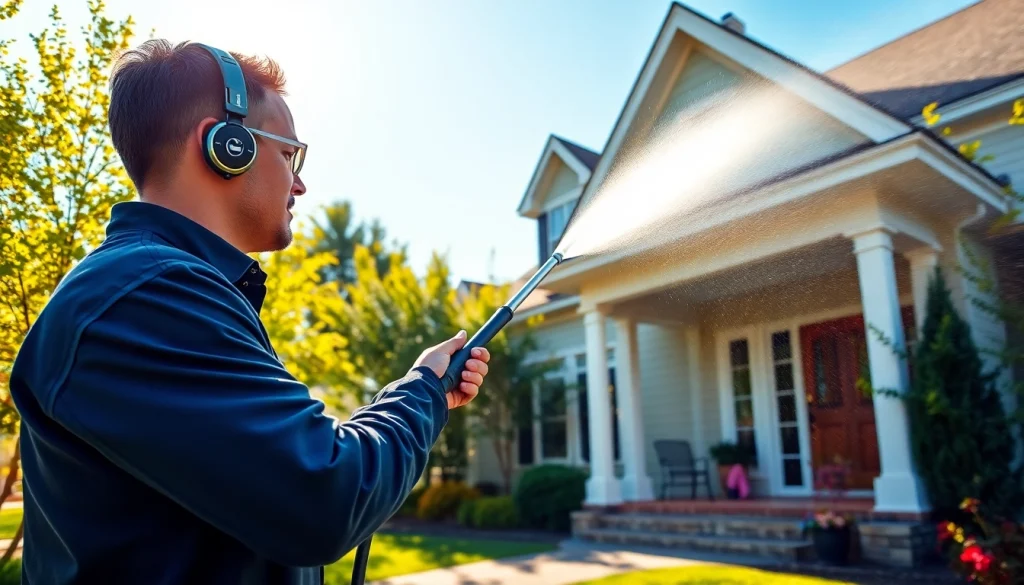
Understanding Soft Wash: A Gentle Approach to Cleaning
Soft washing is revolutionizing the exterior cleaning industry, particularly in areas like Kissimmee and Orlando, Florida. Unlike traditional pressure washing, which uses high-pressure water jets to clean surfaces, soft washing involves a low-pressure application combined with specialized, eco-friendly cleaning solutions. This method effectively eliminates dirt, algae, and stains without the risk of damaging your property. For those considering this innovative cleaning method, a deep dive into the benefits and processes of soft wash can provide valuable insights.
What is Soft Wash and How Does It Work?
Soft washing is a cleaning technique that utilizes low-pressure water combined with biodegradable detergents to remove contaminants from surfaces. The method is especially beneficial for delicate areas, such as roofs, painted surfaces, and wood siding, which can be damaged by the high-pressure streams used in traditional pressure washing. The process begins with applying a specially formulated cleaning solution that penetrates and breaks down dirt, mold, and algae. After letting the solution dwell for a designated time, a gentle rinse removes the contaminants, leaving surfaces looking clean and new.
Benefits of Choosing Soft Wash Over Traditional Pressure Washing
- Safe for Surfaces: Soft washing minimizes the risk of damage to delicate materials, making it ideal for roofs, siding, and windows.
- Long-Lasting Results: The use of specialized detergents ensures that the contaminants are eliminated at their source, leading to longer-lasting cleanliness.
- Eco-Friendly: Many soft washing solutions are biodegradable and environmentally friendly, making them a safer choice for the planet.
- Efficient and Effective: A typical soft wash procedure can cover large areas quickly and thoroughly, saving time and labor costs.
Common Misconceptions About Soft Washing
Despite its advantages, misconceptions about soft washing persist. One common myth is that soft washing is ineffective compared to traditional pressure washing. In reality, soft washing is designed for specific cleaning scenarios, particularly those that involve organic growth or delicate surfaces. Another misconception is that all cleaning methods are the same; however, soft washing focuses on killing growth at the source rather than merely blasting it away.
Essential Equipment for Soft Washing Services
Key Tools and Technologies for Effective Soft Washing
To execute an effective soft wash, a range of specialized equipment is required. This typically includes:
- Soft Wash System: These systems are equipped with low-pressure pumps that enable the gentle application of the cleaning solution.
- Chemical Injectors: Essential for mixing the cleaning solutions accurately with water, ensuring an effective cleaning process.
- Specialized Nozzles: These create larger spray patterns at low pressures, distributing the cleaning solution evenly across surfaces.
The Importance of Eco-Friendly Cleaning Solutions
As consumers become increasingly aware of environmental issues, the demand for eco-friendly cleaning solutions has surged. These biodegradable products are designed to break down contaminants without harming plants, animals, or water sources. By utilizing such solutions, businesses can position themselves as environmentally responsible while effectively cleaning their clients’ properties.
How to Properly Maintain Soft Washing Equipment
Regular maintenance of soft washing equipment is crucial for ensuring longevity and effectiveness. Key maintenance practices include:
- Regular Cleaning: Rinse out hoses and nozzles after each use to prevent clogs and buildup.
- Inspecting Components: Regularly check for wear and tear on hoses, connectors, and other parts to ensure optimal performance.
- Proper Storage: Equipment should be stored in a cool, dry place to prevent damage from weather conditions.
Step-by-Step Process for Soft Washing Your Home
Preparing Your Space for a Soft Wash
Preparation is key to a successful soft washing project. Homeowners should begin by removing any outdoor furniture, decorations, or belongings from the area to be cleaned. It’s also advisable to cover plants or delicate areas that could be affected by the cleaning solutions.
Executing the Soft Wash Technique Safely
After preparation, the actual soft washing process can commence. The following steps should be followed:
- Apply Cleaning Solution: Using the soft wash system, apply the biodegradable cleaning solution to the surface.
- Let it Dwell: Allow the solution to sit for 15-20 minutes to penetrate and break down the contaminants.
- Gentle Rinse: Rinse the surface with low-pressure water, ensuring that all cleaning solutions and contaminants are washed away.
Post-Wash Care: Ensuring Lasting Results
To maintain the cleanliness achieved by soft washing, regular maintenance is essential. Homeowners should consider scheduling annual soft washes to prevent the buildup of dirt and organic growth. Additionally, addressing any underlying issues with gutters or drainage can help prolong cleaning results.
Commercial Applications of Soft Wash: A Business Perspective
Why Businesses Should Invest in Soft Washing
For businesses, maintaining a clean exterior is vital to creating a positive impression. Soft washing offers a safe, effective way to enhance curb appeal without the risk of damage to the structure. Business owners should consider integrating soft washing into their maintenance schedules to protect their investments and improve overall aesthetics.
Case Studies: Successful Commercial Soft Washing Projects
Several businesses in the Kissimmee and Orlando areas have successfully used soft washing to rejuvenate their exteriors. For example, a local restaurant found that regular soft washing of their signage and exterior walls not only improved their aesthetic appeal but also attracted more foot traffic. Another case study involves a retail store that utilized soft washing to maintain their storefront, resulting in a noticeable increase in sales due to enhanced visibility and cleanliness.
Soft Washing for Professional Signage and Storefronts
Soft washing is particularly effective for cleaning professional signage and storefronts. It allows for the preservation of the materials while still achieving a high level of cleanliness. Regular soft washing can keep signs legible and storefronts attractive, providing potential customers with a welcoming impression.
Future Trends in Soft Washing: What to Expect in 2025
Emerging Technologies and Innovations in Soft Washing
As the pressure washing industry continues to evolve, expect new technologies to emerge that enhance the soft washing process. Innovations such as automated soft wash systems and advanced cleaning solutions will further improve efficiency and effectiveness in cleaning.
Shifts in Consumer Preferences for Eco-Friendly Services
Consumers are increasingly opting for eco-friendly cleaning services. As awareness of environmental impacts grows, businesses that prioritize sustainable practices, including the use of green cleaning agents in soft washing, will likely experience a competitive edge.
Preparing Your Business for Upcoming Soft Washing Trends
To stay ahead of the competition, businesses should familiarize themselves with the latest soft washing technologies and methods. Investing in quality equipment and training will ensure that they can meet the rising demand for effective and eco-friendly cleaning solutions.