
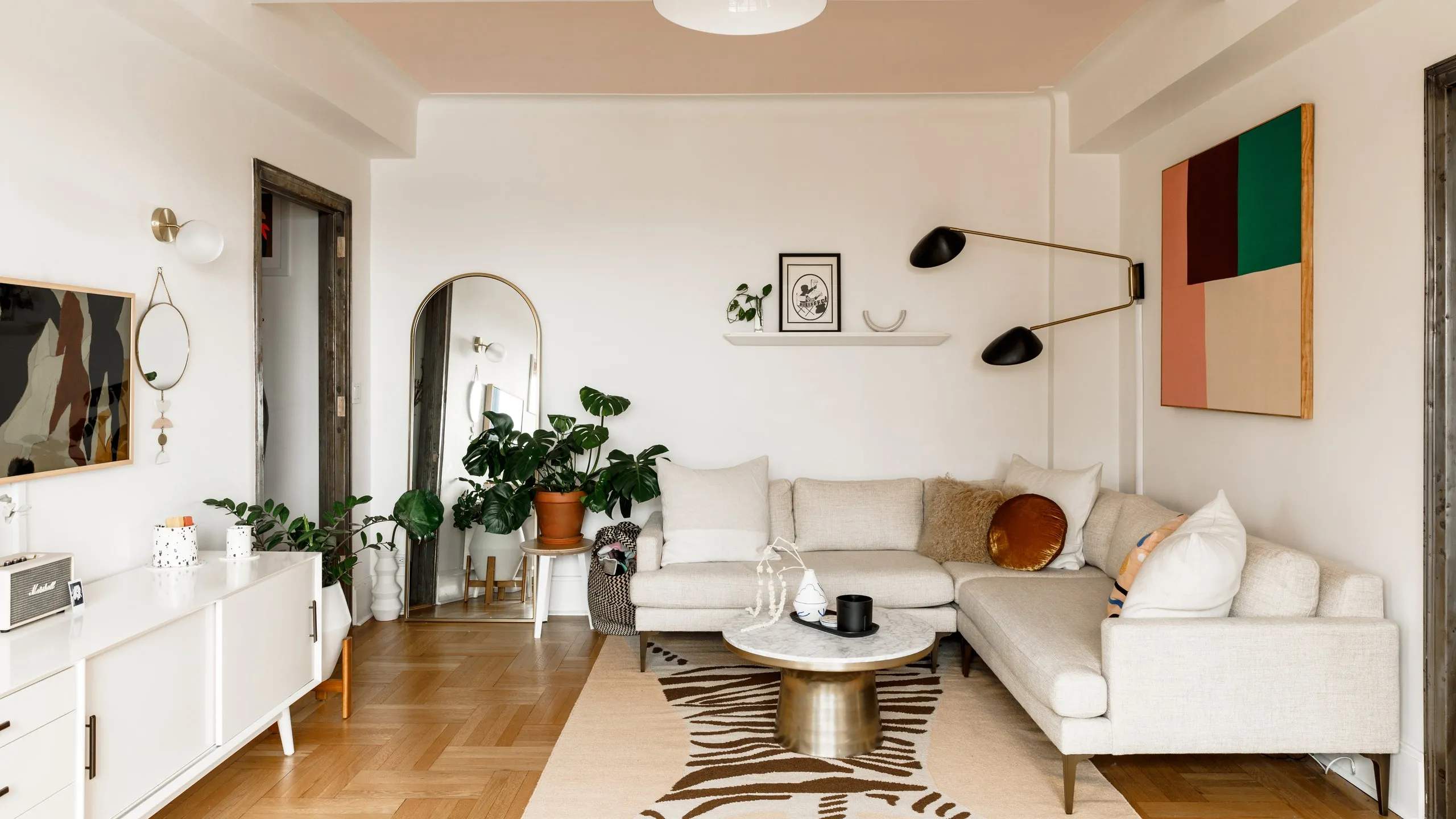
Understanding High-Quality Furniture Craftsmanship
In a world filled with mass-produced furniture, understanding high-quality furniture craftsmanship is essential for anyone looking to furnish their home with pieces that not only enhance their living space but also stand the test of time. This guide delves into the intricacies of high-quality craftsmanship, revealing the importance of materials, techniques, and the many benefits that come with investing in well-crafted furniture.
Defining Craftsmanship in Furniture Making
Craftsmanship in furniture making refers to the skill involved in creating furniture that exemplifies quality and elegance. It encompasses every aspect of the process, from design to execution. While factory-made pieces may prioritize speed, craftsmanship emphasizes attention to detail, artistry, and functionality. Artisans often utilize traditional techniques, taking the time to select appropriate materials and to ensure that each piece meets a high standard of quality and durability.
Importance of Material Selection
The choice of materials plays a pivotal role in defining the quality of furniture craftsmanship. High-quality furniture often consists of solid woods, natural fibers, and durable metals. These materials not only provide strength and longevity but also contribute to the overall aesthetic appeal of the furniture. Additionally, sustainable materials ensure that craftsmanship aligns with environmentally friendly practices, making the furniture an investment in both quality and ethical responsibility.
Characteristics of High-Quality Furniture
Recognizing high-quality furniture involves understanding its key characteristics. Look for:
- Solid Construction: High-quality pieces are sturdy and well-constructed, often using dowels, mortise-and-tenon joints, or dovetail joints—methods that provide strength and stability.
- Attention to Detail: The craftsmanship is evident in joined sections, intricate carvings, and smooth finishes that demonstrate a high level of skill.
- Timeless Design: Good design transcends trends, allowing pieces to integrate seamlessly into any space while providing aesthetic appeal over years of use.
Benefits of Investing in High-Quality Furniture Craftsmanship
Investing in high-quality furniture craftsmanship brings a wealth of benefits that extend far beyond mere aesthetics.
Durability and Longevity
One of the most significant advantages of high-quality furniture is its durability. Well-crafted pieces are designed to withstand everyday use, making them a smart choice for the long term. With proper care, high-quality furniture can last generations, reducing the need for frequent replacements and ultimately saving money in the long run.
Enhanced Aesthetics in Your Home
High-quality furniture elevates the overall aesthetic of your home. Handcrafted pieces often serve as focal points, adding character and charm that mass-produced items lack. The unique design processes foster individuality in every piece, ensuring that your home is personal and inviting.
Long-Term Value and Investment
High-quality furniture represents a sound investment. Unlike cheaper alternatives that may deteriorate quickly, quality furniture often appreciates value over time, becoming heirlooms that can be passed down. This financial aspect of furniture craftsmanship should not be overlooked when choosing pieces for your home.
Common Techniques in High-Quality Furniture Craftsmanship
Craftsmanship employs various techniques that result in better quality and durability. Understanding these can inform your buying decisions.
Joinery Methods and Their Advantages
Joinery refers to the methods used to connect pieces of wood or other materials. Techniques such as dovetailing, mortise and tenon, and doweling create strong, lasting joints. Unlike nails or staples used in mass production, these traditional joinery methods enhance overall sturdiness and longevity, yielding a piece that can endure both physical strain and the test of time.
Finishing Techniques That Make a Difference
Finishing techniques can significantly impact both appearance and durability. High-quality finishes, such as hand-rubbed oils, natural waxes, or environmentally friendly varnishes, provide protection and enhance the natural grain of the wood. These methods not only beautify the furniture but also protect it from damage caused by moisture, sun exposure, and daily wear and tear.
Handcrafted vs. Machine-Made Furniture
While machine-made furniture is produced on an assembly line to cut costs, handcrafted furniture is made with care and skill. Each handcrafted piece is unique, often featuring personal touches that machines cannot replicate. As a result, handcrafted furniture often carries a higher price tag but offers unparalleled quality, design, and sustainability, making it worth the investment for those who value craftsmanship.
How to Choose the Right High-Quality Furniture
When it comes to selecting high-quality furniture, there are several factors to consider to ensure you make informed choices.
Identifying Quality Indicators
Recognizing quality indicators can help distinguish between high-quality and inferior furniture. Look for solid wood construction, well-executed joinery, and an overall heft that signifies durability. Examine finishes closely; a smooth finish that exhibits depth and richness is more likely to be of high quality compared to a rough or inconsistent surface.
Researching Brands and Artisans
Before making a purchase, research different brands and artisans known for their commitment to quality craftsmanship. Visit their websites, read customer reviews, and, if possible, visit showrooms to see the pieces in person. Understanding a brand’s reputation and craftsmanship ethos can significantly influence your purchase decision.
Understanding Your Personal Style
Your personal style should dictate your choices when selecting high-quality furniture. Whether you lean towards modern minimalism or classic elegance, ensure that the pieces complement your home’s existing decor. By choosing furniture that resonates with your aesthetic preferences, you create a harmonious and inviting environment.
Frequently Asked Questions About High-Quality Furniture Craftsmanship
What defines high-quality furniture craftsmanship?
High-quality furniture craftsmanship is characterized by attention to detail, using superior materials and traditional techniques, ensuring durability, stunning design, and functionality in each piece.
How can I evaluate the longevity of furniture?
Assess joinery quality, the type of materials used, and check for robust construction. Solid woods and crafted joints typically indicate durability and long-term longevity.
What materials are best for high-quality furniture?
Solid hardwoods like oak, walnut, and cherry provide durability. Additionally, sustainable materials contribute to furniture’s longevity and eco-friendliness, enhancing both aesthetics and sustainability.
How does craftsmanship affect furniture pricing?
Craftsmanship often influences pricing due to the time and skill required to create high-quality pieces. Handcrafted items command higher prices due to their unique features and durability compared to mass-produced pieces.
Where can I buy high-quality handcrafted furniture?
Look for local artisans, specialty furniture shops, or online retailers dedicated to handcrafted items. Always check ratings and reviews to ensure the quality of craftsmanship before purchasing.
