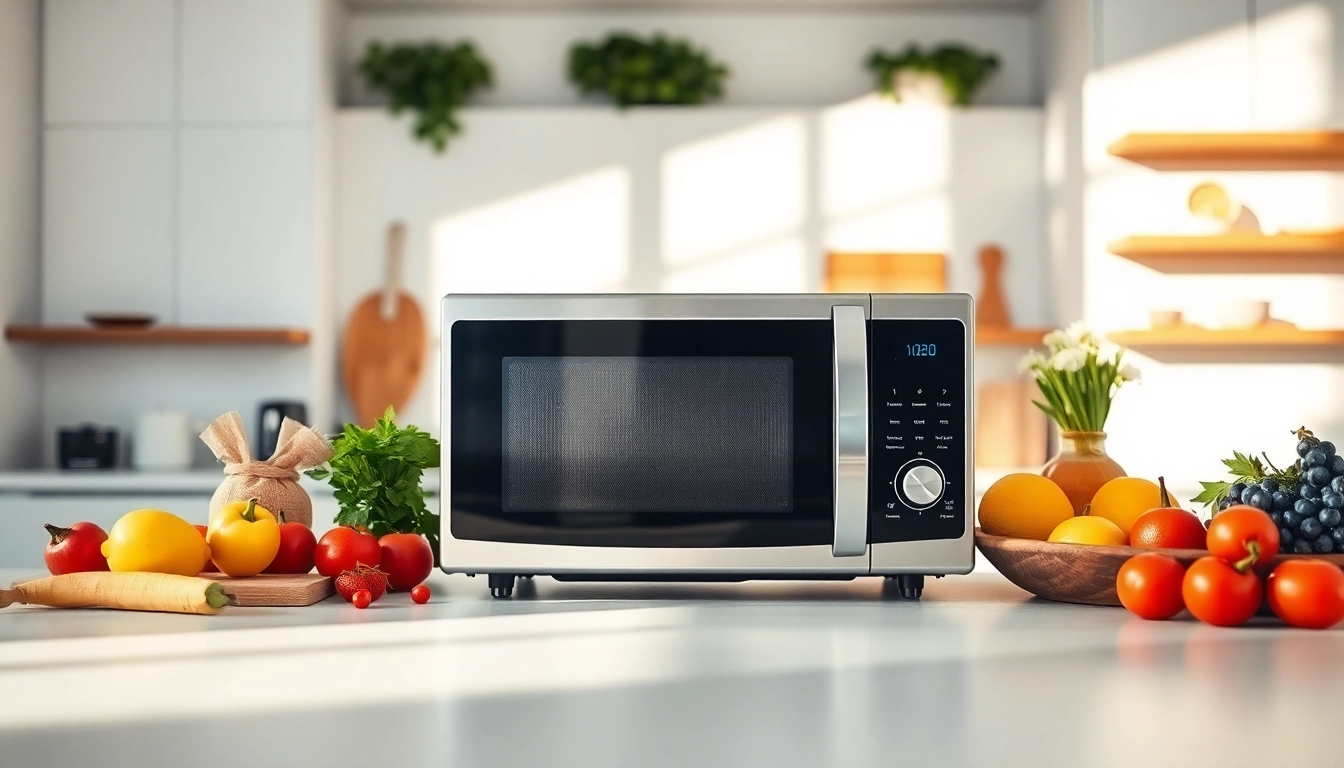
Understanding the Basics of Microwave Oven
What is a Microwave Oven?
A microwave oven, commonly referred to as a microwave, is an electric kitchen appliance that cooks and heats food through the use of electromagnetic radiation in the microwave frequency range. This method allows for rapid cooking, making it a staple in many kitchens. Unlike conventional ovens, which rely on conduction and convection to heat food, a microwave oven directly energizes the water molecules in the food, resulting in faster cooking times.
How Microwave Ovens Work
The functioning of a microwave oven revolves around the generation of microwaves, which are a form of non-ionizing radiation. A magnetron, a key component of the microwave oven, emits these microwaves, which are then directed into the cooking chamber. When food is placed inside, these waves cause water molecules to vibrate, producing heat and cooking the food. The process is quick, often reducing cooking times by up to 75% compared to traditional methods.
Key Features of Microwave Ovens
Modern microwave ovens come with a variety of features that enhance their usability. Some of the key features include:
- Cooking Presets: Automated settings for common foods such as popcorn, pizza, and vegetables.
- Power Levels: Adjustable power settings allowing for more precise cooking.
- Sensor Cooking: Monitors the cooking process to prevent overcooking.
- Energy Efficiency: Eco modes to save energy by reducing consumption when not in use.
- Child Safety Locks: Features that prevent unintended usage by children.
Types of Microwave Ovens
Countertop Microwave Oven
This is the most common type of microwave oven, designed to sit on the kitchen counter. Countertop microwave ovens come in various sizes and power levels, making them suitable for different needs. They are portable and easy to set up, making them an ideal choice for many households.
Over-the-Range Microwave Oven
These microwave ovens are designed to be installed above the kitchen range or stove, serving dual purposes as both a microwave and a range hood. Over-the-range models often come with a built-in ventilation system that helps to remove smoke and odors arising from cooking.
Built-In Microwave Oven
Built-in microwave ovens are designed to be integrated into kitchen cabinetry, offering a seamless look. These models often come with additional features like higher wattage for faster cooking and may be combined with wall ovens for added functionality.
Choosing the Right Size for Your Microwave Oven
Measuring Your Space
Before purchasing a microwave oven, it is vital to measure the available space in your kitchen. Consider the dimensions required for both the width and depth, as well as clearance space above the oven. A good fit ensures safe operation and accessibility.
Common Sizes and Capacities
Microwave ovens typically come in capacities ranging from 0.5 cubic feet to 2.2 cubic feet. Smaller models are suitable for limited spaces, whereas larger models provide more cooking flexibility, accommodating larger dishes.
Understanding Power Ratings
Microwave ovens have power ratings that range from 600 to 1200 watts. Higher wattage generally results in faster cooking times and more efficient food preparation. It’s essential to select a microwave with a wattage that matches your cooking habits.
Features to Look for in Microwave Oven
Cooking Presets and Power Levels
Cooking presets simplify meal preparation by automatically calculating the cooking time for specific foods. Combined with adjustable power levels, these features enhance the versatility of a microwave oven, allowing users to prepare a variety of dishes perfectly.
Special Features: Convection, Grill, and More
Some advanced models offer convection cooking, allowing users to bake and roast foods. Grilling features can also add a delicious crisp to meats and vegetables, combining the functionalities of several kitchen appliances into one. Such features provide great value for those who regularly cook.
Energy Efficiency Ratings
Energy efficiency ratings indicate how much energy the microwave oven consumes during operation. Many modern models are designed to operate under lower energy consumption principles, offering eco-friendly options that can help in reducing electricity bills.
Maintaining Your Microwave Oven
Cleaning Tips for Microwave Ovens
Regular cleaning is vital for maintaining the performance and hygiene of a microwave oven. Use a mixture of vinegar and water in a microwave-safe bowl, heat it for a few minutes, then wipe down the interior with a clean cloth to easily remove stains and odors.
Common Troubleshooting Tips
Some common issues that users face include the microwave not heating appropriately, unusual noises, or the turntable not rotating. Regular maintenance checks can often resolve these problems. If the microwave is not functioning after troubleshooting, consider consulting a professional.
When to Replace Your Microwave Oven
If your microwave oven is over 10 years old, has significant wear and tear, or is no longer heating correctly, it may be time for a replacement. Modern models offer advanced features and energy efficiency that might be beneficial in the long run.
Frequently Asked Questions
1. How long do microwave ovens typically last?
On average, a microwave oven can last between 9 to 10 years with proper care and maintenance.
2. What is the best size for a microwave oven?
The best size for a microwave oven depends on your kitchen space and cooking needs, typically ranging from 0.5 to 2.2 cubic feet.
3. Can I use metal in my microwave oven?
Using metal in a microwave oven is generally not recommended as it can cause sparks and damage the microwave.
4. Are there microwave ovens that can bake?
Yes, convection microwave ovens can bake by combining microwave and convection cooking methods.
5. How do I clean my microwave oven?
Cleaning your microwave oven can be done using a mixture of vinegar and water, or lemon juice in a bowl of water; microwave for a few minutes and wipe clean.
For those looking to enhance their culinary experience, exploring various options for a microwave oven could offer the versatility and convenience needed in modern kitchens.