Understanding Woodworm Infestations and Their Impact
Woodworm infestations can be a homeowner's nightmare, leading to significant damage to wooden structures and furniture. These wood-boring insects, particularly the larvae of various beetle species, can eat away at wood, making it structurally unsound. Recognizing the signs of infestation early can save you from extensive repairs and the need for costly replacements. As the demand for eco-friendly pest control solutions continues to grow, innovations like SHASHEL® have become a beacon of hope for those wanting to protect their wooden investments without resorting to harsh chemicals.
What Are Woodworms and How Do They Affect Wood?
Woodworms refer to the larvae stage of wood-boring beetles, such as the common furniture beetle, the house longhorn beetle, and the powderpost beetle. These insects thrive in moist wood, which serves as both their habitat and food source. As they consume the wood, they create tunnels that weaken its structural integrity. This can lead to serious issues in furniture, beams, and other wooden structures if left unchecked.
Signs of Infestation: Detecting Wood-boring Insects Early
Identifying woodworm infestations early is crucial. Key signs to look for include:
- Exit Holes: Small, round holes in wood surfaces indicate where adult beetles have emerged.
- Powdery Frass: Dust or powder near exit holes is a sign of active wood-eating larvae.
- Damaged Wood: Inspect for soft or weak spots in wooden structures.
The Consequences of Ignoring Woodworm Problems
Neglecting to address woodworm infestations can result in severe damage to furniture and structures, leading to costly repairs. Over time, untreated woodworms can compromise the safety and aesthetics of your home, making early detection and treatment essential.
How SHASHEL® Technology Works for Effective Treatment
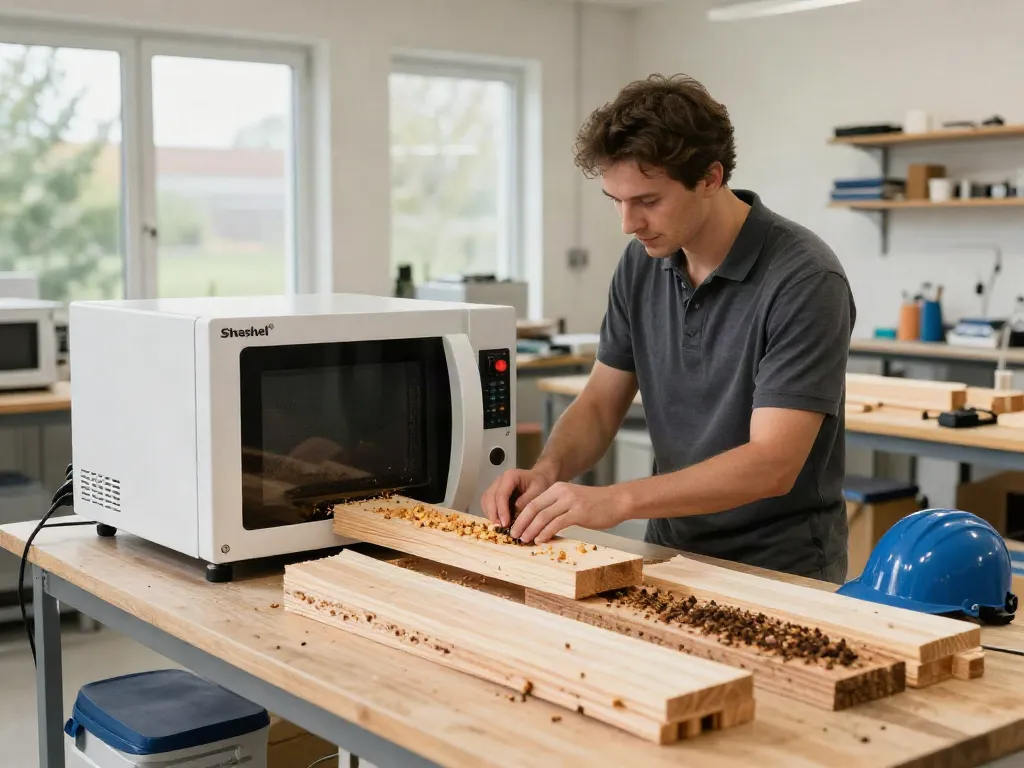
SHASHEL® technology utilizes advanced microwave methods to eradicate wood-boring insects effectively. This approach targets the pests through deep penetration into the wood, trained to eliminate larvae and eggs without causing harm to the wood itself. By leveraging this innovative technology, SHASHEL® presents an eco-friendly pest control solution that aligns well with modern environmental standards.
Principles of Microwave Treatment: Eco-Friendly Solutions Explained
The SHASHEL® microwave systems operate on the principle of heating the wood at a molecular level. This method raises the internal temperature quickly, killing insects and their larvae without the use of toxic chemicals. The energy penetrates wood deeply, ensuring a thorough treatment that reaches even the most hidden larvae.
Comparing SHASHEL® Microwave Systems to Traditional Pest Control Methods
Traditional pest control methods often rely heavily on chemical treatments, which can pose health risks to humans and pets. In contrast, SHASHEL® offers a chemical-free solution that is not only safer but also more efficient. Unlike fumigation or sprays, which may leave residues, SHASHEL® leaves no toxins behind, making it suitable for both residential and commercial applications.
Key Benefits of Using SHASHEL® for Wood Treatment
The benefits of using SHASHEL® technologies are multifaceted:
- Quick Treatment Time: With SHASHEL®, woodworms can be eliminated in a fraction of the time required by traditional methods.
- Versatile Application: Suitable for various types of wood, including softwoods and hardwoods.
- Safe for the Environment: The microwave technology is eco-friendly and does not contribute to pollution.
- Long-lasting Results: When treated correctly, wood remains safe from reinfestation for years.
Implementing SHASHEL® in Various Settings
SHASHEL® technology can be applied in numerous environments, making it a versatile tool in the fight against wood-boring insects. Whether for residential or commercial use, its adaptability ensures comprehensive solutions for various wood treatment needs.
Home Use: Enhancing Your DIY Pest Control
For homeowners, incorporating SHASHEL® into DIY pest control can enhance the effectiveness of treatments. With user-friendly designs, homeowners can easily operate the systems to protect valuable wooden furniture and structures from infestations.
Commercial Applications: Protecting Furniture and Structures
Commercial entities such as furniture manufacturers, warehouses, and historic buildings can significantly benefit from SHASHEL® technology. By ensuring the integrity of wooden products and structures, businesses can avoid costly downtimes and repairs associated with woodworm damage.
Case Studies: Successful SHASHEL® Implementations
Numerous businesses and homeowners have successfully implemented SHASHEL® technology. For instance, a furniture manufacturer reported a complete elimination of woodworm in their storage facilities using the SHASHEL® microwave system. This not only protected their inventory but also boosted their reputation for quality and safety.
Best Practices for Using SHASHEL® Microwave Equipment
To maximize the effectiveness of SHASHEL® technology, adhering to best practices is essential. These guidelines ensure safety and the best results for wood treatment.
Preparation of Wood Items for Treatment
Before treatment, wood items should be cleaned and any loose materials removed. This helps the microwave equipment to penetrate more effectively. Ensure that the wood is dry, as excess moisture can hinder the process.
Safety Measures When Using SHASHEL® Technology
While SHASHEL® technology is designed for safety, users should still take precautions. Always wear protective gloves and eyewear during the treatment process to safeguard against any potential hazards.
Aftercare: Maintaining Treated Wood for Longevity
Post-treatment care is crucial for ensuring the longevity of treated wood. Regular inspections and maintaining a dry environment can help prevent future infestations. Applying protective coatings can also enhance the durability of the wood.
Future Trends in Pest Control Technology for 2026 and Beyond
The pest control industry is on the brink of revolutionary changes, with technology playing a pivotal role. Innovations such as SHASHEL® are paving the way for smarter, safer methods of pest management.
Emerging Technologies in Pest Management
As we progress towards 2026, new technologies are expected to emerge, emphasizing automation and precision targeting in pest control. This will likely include the integration of data analytics and machine learning to predict and identify infestations more efficiently.
Sustainability in Pest Control: The Role of SHASHEL®
Sustainability will continue to be a core focus for consumers and businesses alike. SHASHEL®'s commitment to providing chemical-free solutions positions it as a leader in meeting today’s eco-conscious demands.
Predictions for Consumer Preferences in Treatment Solutions
Consumers are increasingly prioritizing safety and environmental impact in their pest control choices. As awareness grows around the dangers of chemicals, the demand for solutions like SHASHEL® that emphasize health and eco-friendliness is expected to rise.
What types of wood can be treated with SHASHEL®?
SHASHEL® technology is versatile and can be used on a variety of wood types. This includes both softwoods and hardwoods, making it suitable for almost all wooden structures and furniture.
Is SHASHEL® safe for home use?
Yes, SHASHEL® is designed for safe home use. The technology eliminates the need for harsh chemicals, making it a non-toxic option for families.
How long does the treatment take with SHASHEL®?
Treatment times can vary based on the type and thickness of the wood, but typically, SHASHEL® systems can achieve effective results in just minutes.
What maintenance is required after using SHASHEL® products?
After using SHASHEL®, maintaining wood involves regular inspections and keeping the environment dry to prevent future infestations. Proper care helps prolong the effects of the treatment.
Can SHASHEL® equipment be used for commercial pest control?
Absolutely! SHASHEL® systems are effective for both residential and commercial pest control, protecting valuable wooden assets in a variety of settings.